
GFCI Outlets: Where You Need Them & Why They Matter for Your Home
What Is a GFCI Outlet?
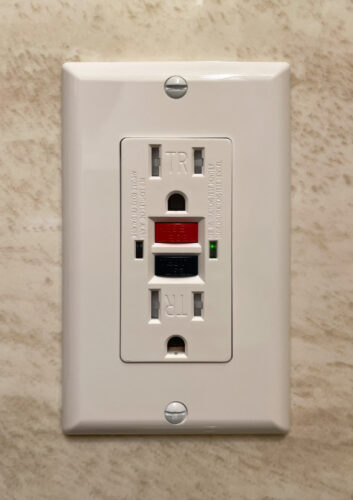
A GFCI outlet (Ground Fault Circuit Interrupter) is a special type of electrical receptacle designed to protect people from electric shock. Unlike standard outlets, GFCIs continuously monitor the flow of electricity. If they detect even a tiny imbalance — which could mean electricity is leaking through water or a person — the outlet shuts off power in milliseconds.
This fast response can prevent:
Electrical shock
Serious injury
Electrical fires
Damage to appliances
Fatal electrocution
Why GFCI Outlets Are Required by Electrical Code
The National Electrical Code (NEC) requires GFCI protection in areas where electricity and moisture are likely to mix. Water is an excellent conductor of electricity, which makes these spaces especially dangerous without proper protection.
Installing GFCI outlets isn’t just a good idea — it’s a code requirement and a critical safety feature for every modern home.
Homes without proper GFCI protection are at a much higher risk for shock hazards and failed home inspections.
Where GFCI Outlets Are Required in Your Home
If your home doesn’t have GFCI protection in the following areas, it may already be out of compliance:
✅ Bathrooms
All bathroom outlets must be GFCI protected due to sinks, showers, and humidity.
✅ Kitchens
GFCI outlets are required for:
Countertop outlets
Outlets within 6 feet of sinks
Dishwashers
Garbage disposals
Kitchen appliances and water are a dangerous mix without GFCI protection.
✅ Laundry Rooms
Washers, utility sinks, and damp environments make laundry rooms a high-risk area.
✅ Garages
All garage outlets must be GFCI protected, including those used for tools, freezers, or EV chargers.
✅ Basements (Finished and Unfinished)
Basements often have higher moisture levels, even if finished.
✅ Outdoor Outlets
Any exterior outlet — front porch, back patio, deck, or yard — requires GFCI protection and weather-resistant covers.
✅ Crawl Spaces and Utility Areas
These hidden areas are often overlooked but still require GFCI protection.
✅ Near Wet Bars or Utility Sinks
Any outlet within 6 feet of a water source must be protected.
Signs You May Need GFCI Outlet Upgrades
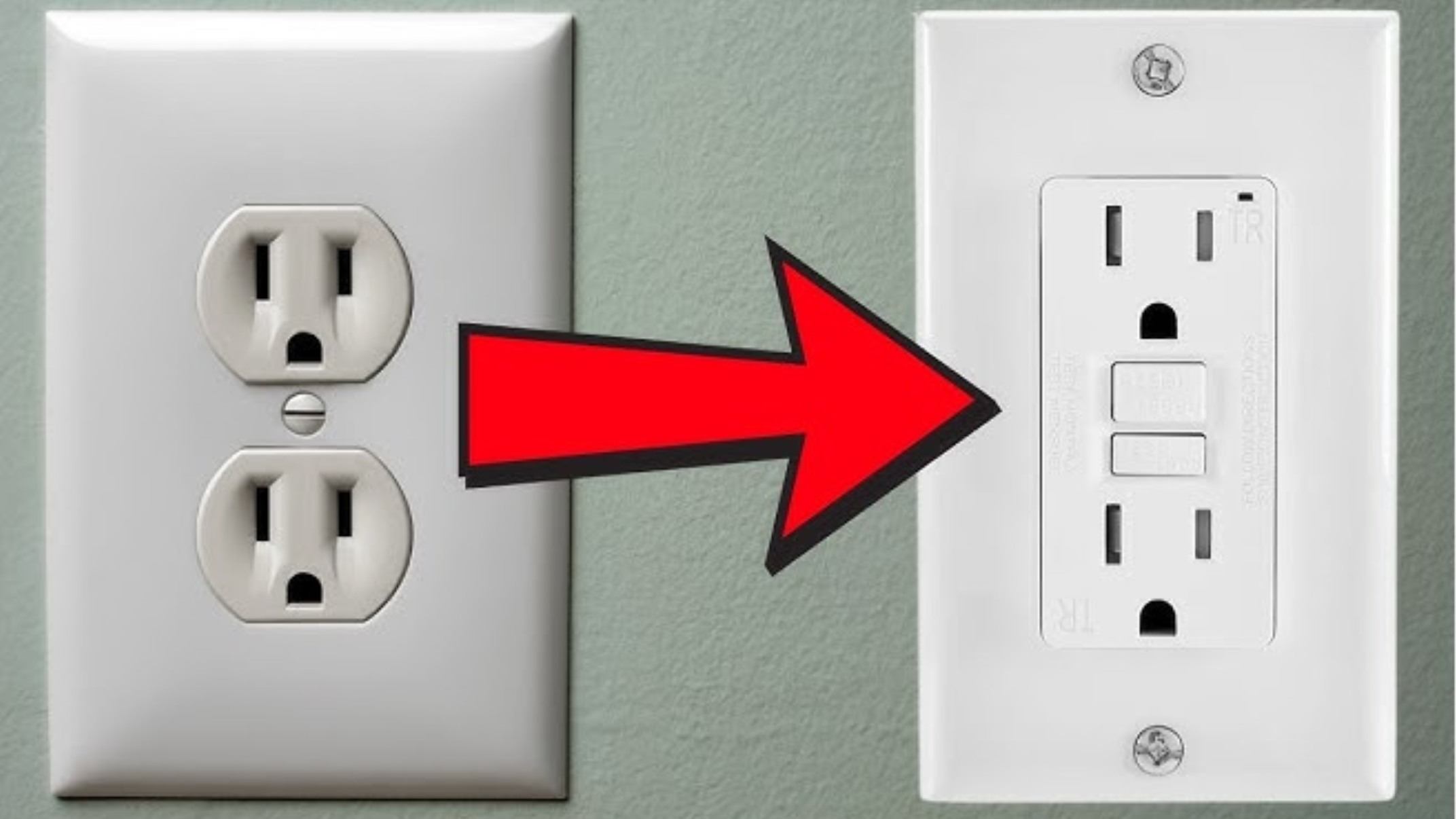
Many older homes in New England were built before GFCI requirements became standard. Here are common warning signs:
No “Test/Reset” buttons on outlets near water
Outlets trip frequently or not at all
Cracked or loose receptacles
Two-prong outlets in wet areas
Recently failed home inspection
Remodeling or selling your home
Breakers tripping unexpectedly
If your home was built before the 1990s, there’s a strong chance your GFCI protection is outdated or missing entirely.
GFCI Outlet Installation: DIY or Hire an Electrician?
While replacing a standard outlet with a GFCI may seem simple, incorrect wiring can:
Leave outlets unprotected
Cause nuisance tripping
Create fire hazards
Void insurance claims
Fail inspections
Proper GFCI installation requires understanding line vs load wiring, circuit mapping, grounding, and current electrical code.
That’s why most homeowners choose to work with a licensed electrician.
At Lembo Electric, we handle:
Proper wiring and junction box connections
Clean, accurate ceiling cutouts
Load calculations to avoid overloaded circuits
Smart device setup and testing
Code-compliant installation for peace of mind
Professional installation ensures your new smart lights perform exactly as designed—and safely.
Benefits of Professional GFCI Installation
When you hire Lembo Electric, you get:
✔ Proper code-compliant installation
✔ Full circuit testing
✔ Identification of hidden downstream outlets
✔ Upgrades to modern safety standards
✔ Clean, professional workmanship
✔ Honest recommendations
✔ Peace of mind
Our motto says it all: Honesty and Quality Above All Else.
If you’re located in Southern New Hampshire or Northern Massachusetts and want to make sure your home is properly protected, Lembo Electric is here to help.
We specialize in:
- GFCI outlet installations
- Electrical safety inspections
- Panel upgrades
- Kitchen & bathroom remodel wiring
- Outdoor outlet installation
- Code corrections
📞 (603)401-7359
🌐 lemboelectric.com