
Portable generator hookups · Southern NH and the Merrimack Valley
Portable Generator Connections in Southern NH and the Merrimack Valley
A code-compliant inlet, interlock, and power-return alarm, so your portable generator runs the house without extension cords.
What you get
Backup power from the generator you already own
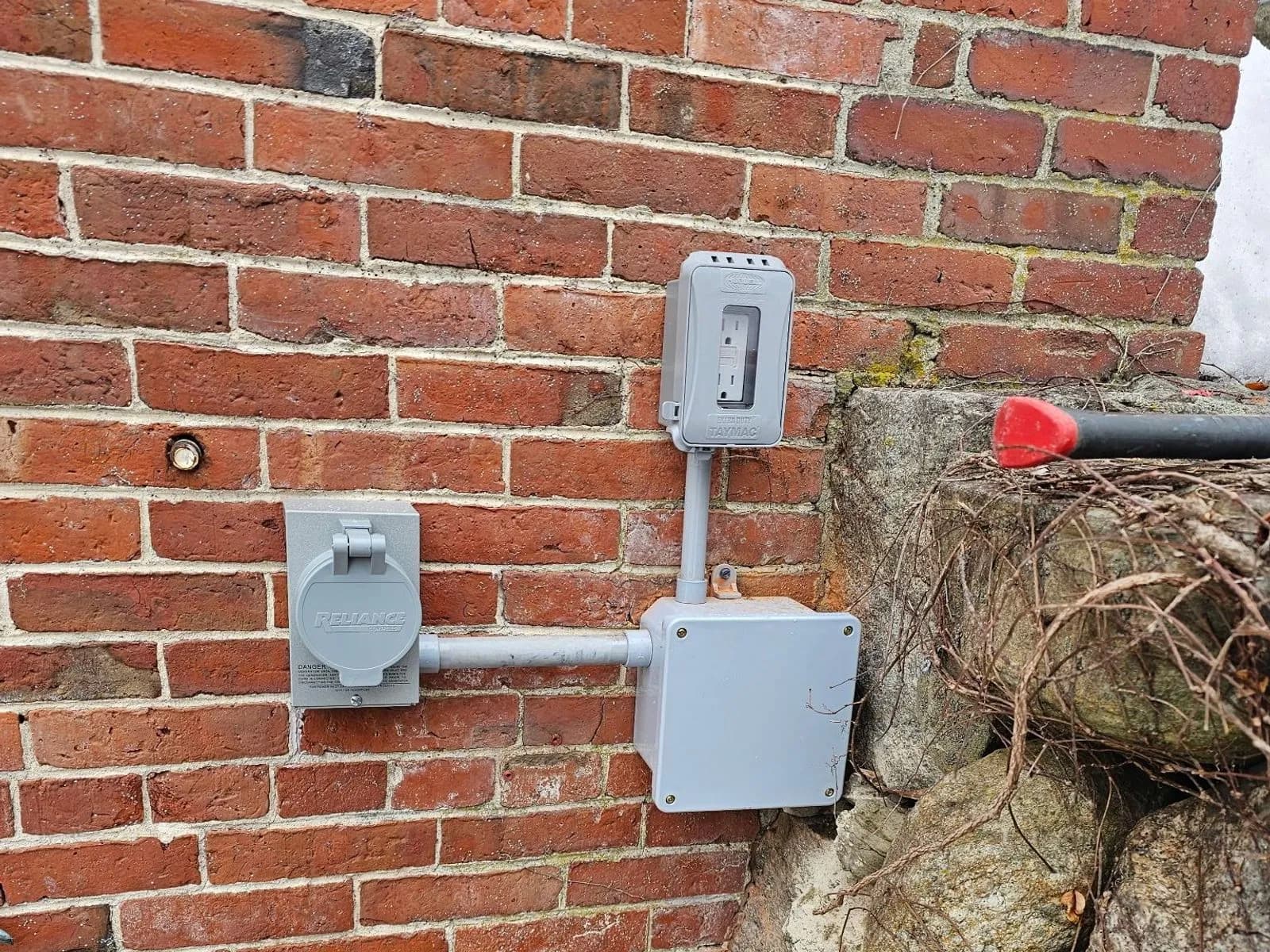
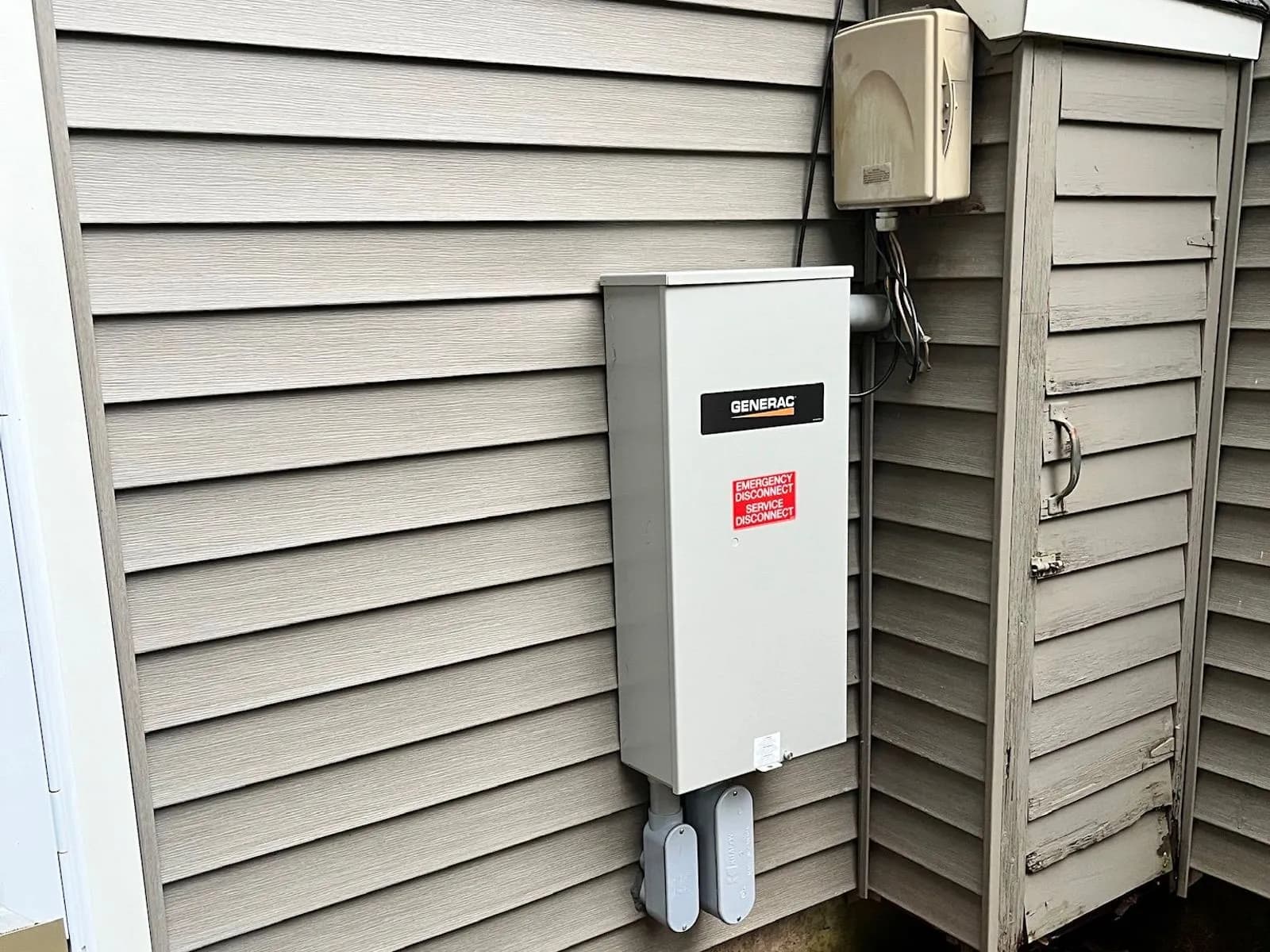
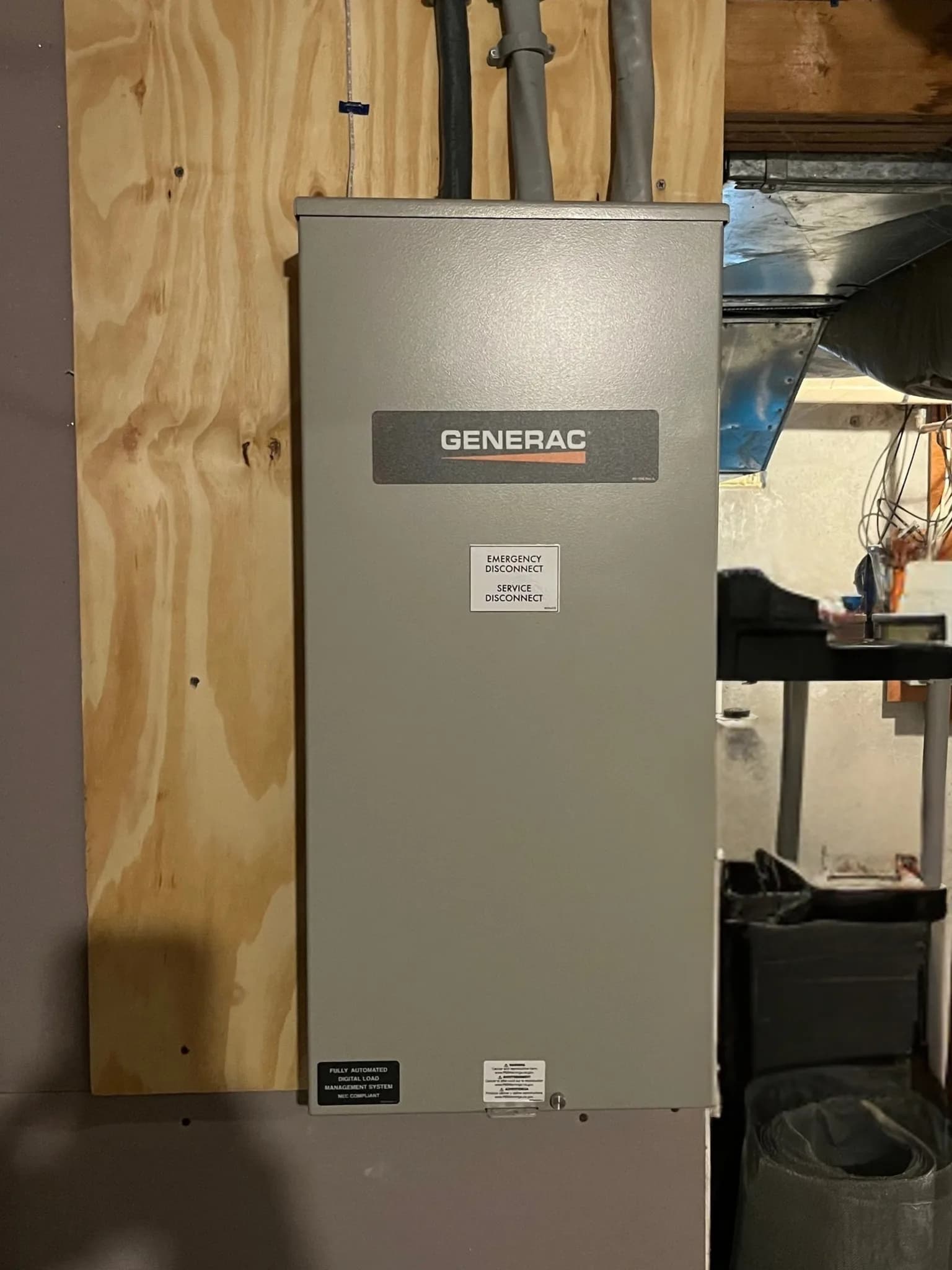
A portable generator connection is a permanent, code-compliant way to plug your portable generator into the house: an outdoor power inlet, a cord to the generator, and an interlock or transfer switch at the panel that keeps the generator and the utility from ever feeding the house at the same time. It lets you run your heat, well pump, refrigerator, and lights from a generator you already own, safely and without a tangle of extension cords through a window.
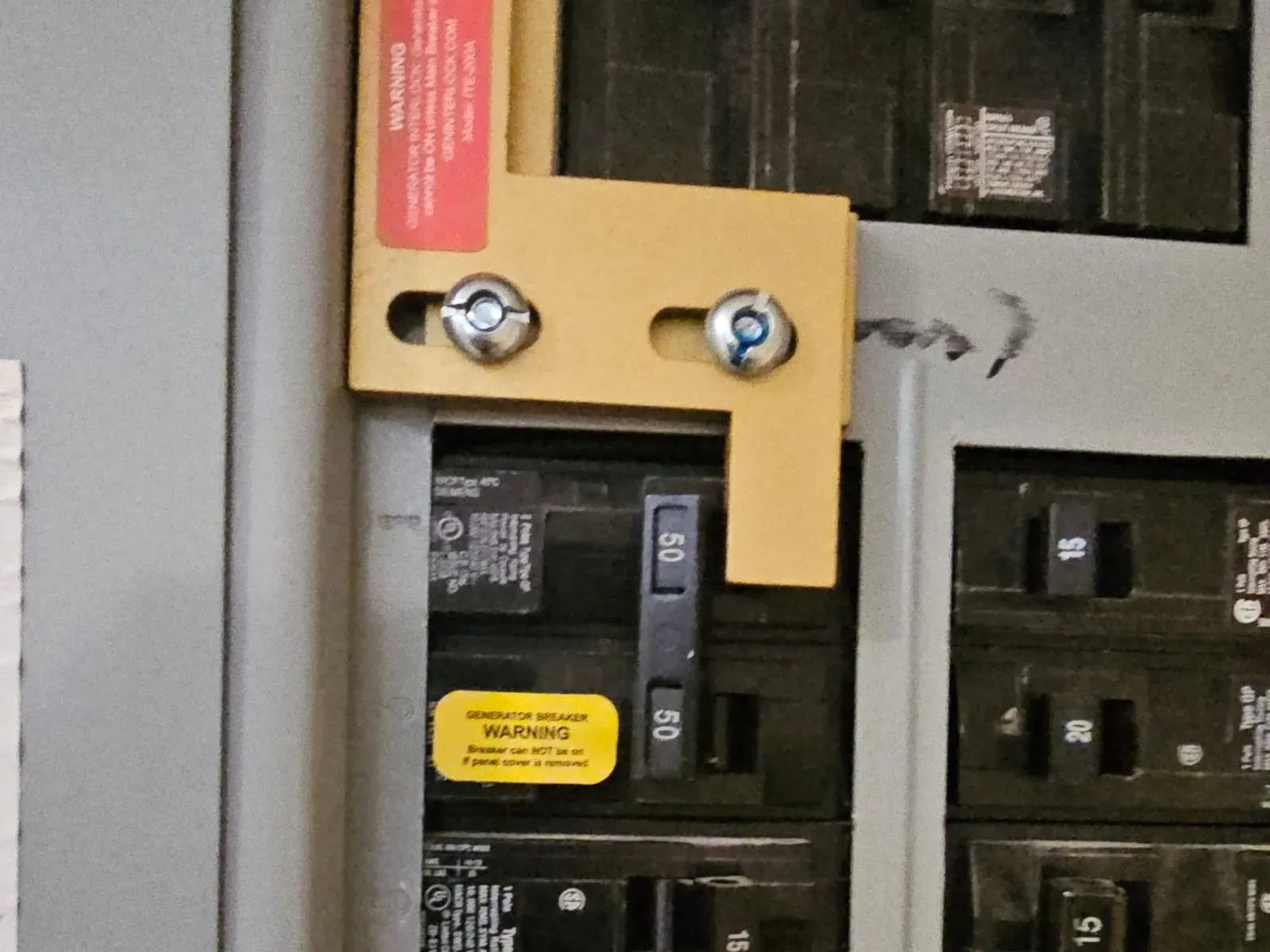
The dangerous way to use a portable generator is a double-ended cord into a dryer outlet, which can backfeed the utility lines and hurt a line worker or you. The right way is what we install: a weatherproof power inlet outside, an interlock kit or manual transfer switch at the panel so the main breaker and the generator can never be on together, and, when you want it, an alarm that sounds when utility power comes back so you know to switch over. You pick which circuits to run, flip a couple of breakers, and the house is on backup power.
Match the hookup to your generator
We check your generator's outlet and output, look at your panel, and recommend an inlet, cord, and interlock or transfer switch that fit it, with a clear written number.
Install inlet, interlock, and alarm
We mount the outdoor inlet, wire it to a properly sized generator breaker, install the interlock or transfer switch, and add a power-return alarm if you want one, under a permit.
Test it and teach you the steps
We run your generator through the connection, confirm the circuits you care about come on, and walk you through the switch-over so you can do it alone in the dark.
More generators
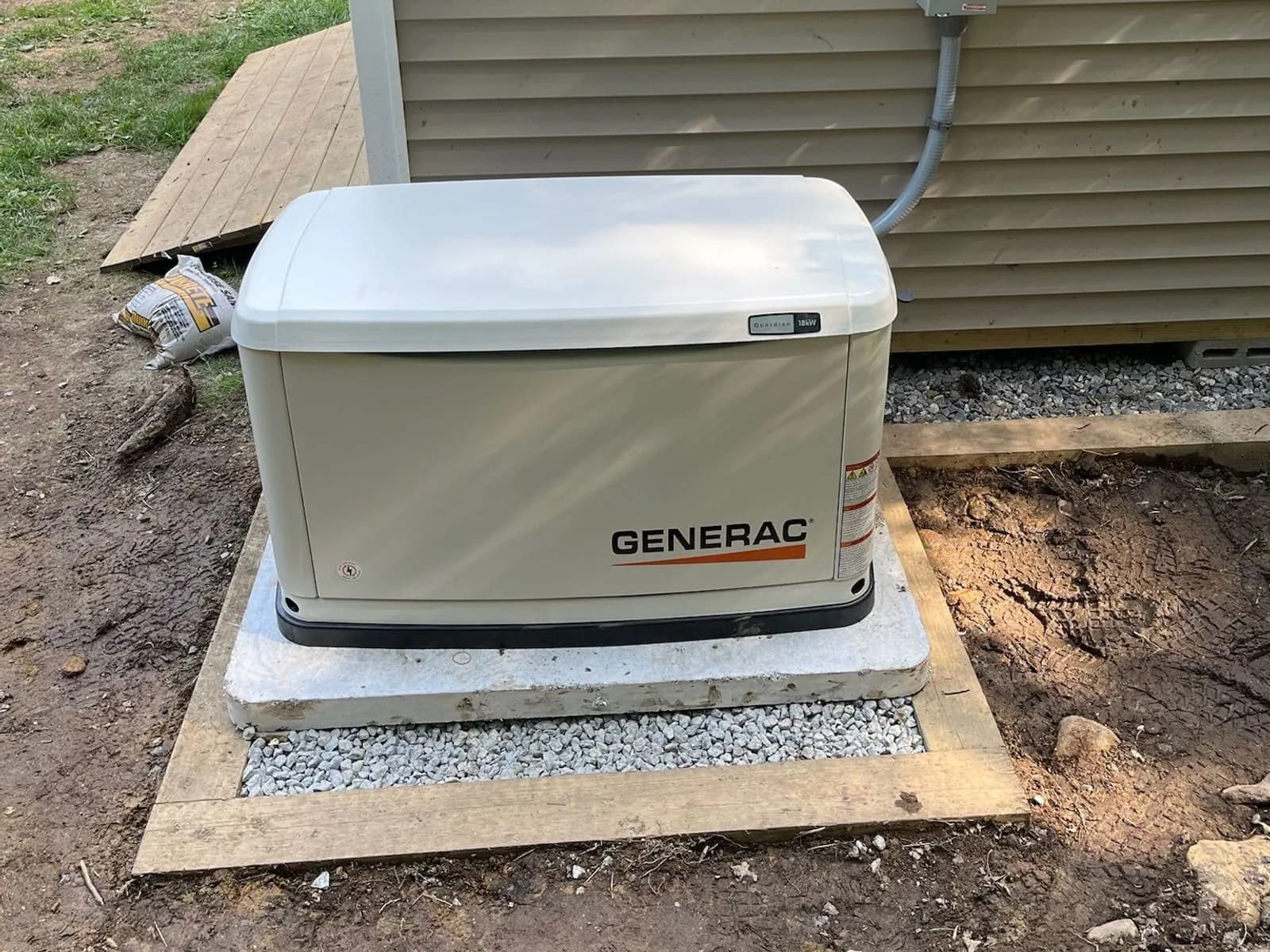
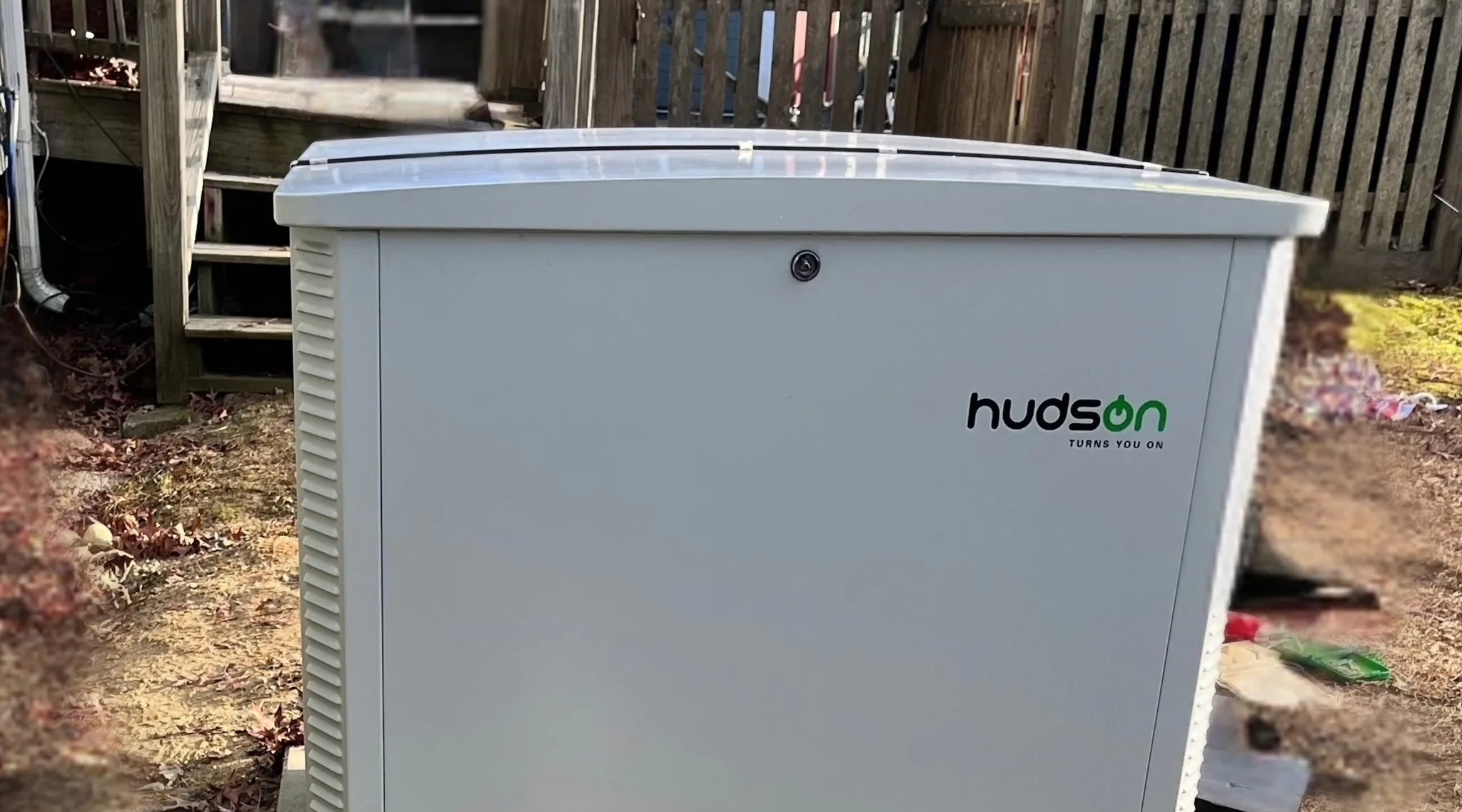
Other generators we install
One call covers it. Here is the rest of what we do in this area.
Straight answers
Portable Generator Connections: common questions
Straight answers from a licensed master electrician. Flip any breaker to read it.
Get a Free EstimateIs it safe to plug a generator into a dryer outlet?
No. A double-ended cord into an outlet can send generator power back out onto the utility lines, which can injure or kill a line worker, and it leaves live prongs exposed. The National Electrical Code requires transfer equipment, such as an interlock kit or transfer switch, so the generator and the utility can never feed the house at the same time. That is what a proper connection gives you.
What is a generator interlock kit?
An interlock is a sliding plate mounted on your panel that makes it physically impossible to turn on the generator breaker while the main breaker is on, and the other way around. It is a simple, reliable, code-accepted way to connect a portable generator to your existing panel, and you choose which circuits to run by flipping their breakers.
What does a power-return alarm do?
It sounds or lights up when utility power comes back while you are running on the generator, so you know it is time to switch back and shut the generator down. It is a small add-on our customers appreciate during a long outage.
What size portable generator do I need to connect?
Enough to run the circuits you care about at the same time, with headroom for a well pump or furnace motor starting up. Many homes do well with a generator in the 7,500 to 10,000 watt range and a 30 or 50 amp inlet, but we match the hookup to the generator you have and tell you honestly what it can and cannot run.
Get an honest quote for Portable Generator Connections
Tell us what is going on and we will lay out clear, honest options and what they cost.
- 20+
- Years of experience
- 55+
- Towns served across NH and MA
- 2
- States licensed, New Hampshire and Massachusetts